MAIBAHE GRAIN JOURNAL
Millet Flour vs Whole Millet: 9 Essential Tips for Easy Cooking
Millet flour vs whole millet is primarily a choice of ingredient form: choose intact, food-grade millet grains when you want a grain bowl or grain-based porridge; choose millet flour when a recipe specifically needs a milled ingredient. Flour does not turn into separate cooked grains, and a scoop of intact millet does not behave like flour in batter. Match the form to the recipe before comparing brands or buying a larger bag.
This guide helps home cooks decide what to put in the shopping basket and how to plan a sensible first use. It is not a tested recipe, a universal substitution formula or a claim that one form is healthier. Here, “whole millet” means the intact edible grain format sold for human food, often labelled hulled millet. Whether a particular product qualifies as whole grain depends on its processing and product information, not simply its appearance.
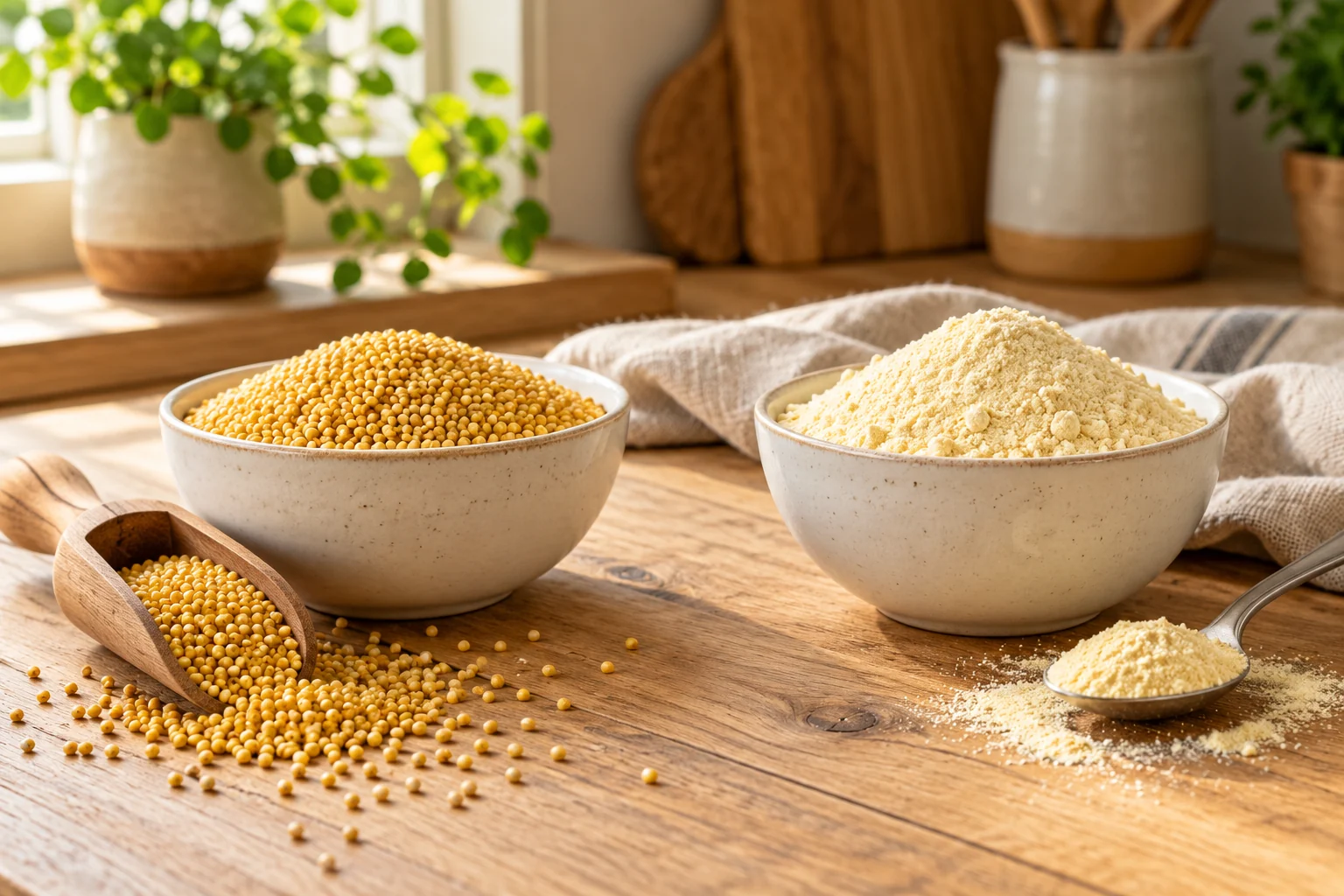
Millet flour vs whole millet at a glance
Begin with the finished texture you want. A bowl with recognisable grains calls for an intact grain ingredient. A batter that spreads around a pan or fills a muffin case needs the particular flour or flour blend named in its recipe. Neither description establishes an exact cooking time, water quantity or baking substitution. Those instructions belong to the specific product and recipe you choose.
On narrow screens, swipe the comparison table horizontally. Keyboard users can focus the table region and use the arrow keys.
| Question | Intact millet grains | Millet flour |
|---|---|---|
| What does it look like? | Separate small grains | Ground particles or powder |
| What is the intended role? | A grain ingredient with visible texture | A milled ingredient in a suitable recipe |
| Useful starting project | A grain bowl or grain-based porridge | A recipe developed for the specified flour |
| Can it replace the other directly? | Not as a general rule | Not as a general rule |
| What should you verify? | Food use, format and preparation directions | Ingredients, milling description and recipe requirements |
| Does appearance prove whole-grain status? | No; check product information | No; check product information |
| Does the name specify every millet variety? | No; ask when identity matters | No; ask when identity matters |
This millet flour vs whole millet comparison is deliberately about kitchen function. It does not assign a nutrient ranking, promise a particular flavour or certify a package. If a recipe calls for another grain entirely, our millet versus quinoa guide addresses that separate ingredient-choice question. Changing the grain and changing its physical form are two different decisions.
Nine essential tips for millet flour vs whole millet
1. Read the format before the front-of-pack promise
Find the actual ingredient name and preparation description. A package may feature a large picture of a breakfast bowl while containing flour, intact grain, a blended mix or a prepared product. The serving photograph is not a reliable format specification. Read the ingredient list and directions together, then ask whether they describe the ingredient your chosen recipe expects.
A useful shopping note is specific: “food-grade hulled millet for a cooked grain bowl” or “the millet flour named in this baking recipe.” That is more helpful than “something made from millet.” In millet flour vs whole millet shopping, this small distinction prevents the most expensive mistake: buying a perfectly usable ingredient that cannot perform the job you planned for dinner.
2. Separate intact grain format from whole-grain status
“Intact” describes physical form; “whole grain” describes which parts of the edible kernel remain. The Whole Grains Council’s whole-grain definition refers to bran, germ and endosperm being retained in their original proportions. A flour can therefore be a whole-grain ingredient, while a grain-shaped product still requires a clear processing description. Do not judge either from colour alone.
When this distinction matters to your shopping decision, look for an explicit product description or ask the maker. A label saying “millet flour” does not by itself answer every processing question. Likewise, our shorthand “whole millet” in this article is not a certification for everything sold under that name. Keep the format question and the composition question on separate lines in your notes.
3. Choose visible grains for a grain-centred meal
If the attraction is a bowl of small cooked grains alongside vegetables, begin with an intact millet product and its instructions. You can then decide whether you prefer the finished grain as a distinct part of the plate or as a softer base. Our millet origin and cooking guide provides related background; the directions on your selected package remain the practical starting point.
The Whole Grains Council’s millet overview explains that millet covers several small-seeded grains and describes different cooked textures. That variety is one reason to avoid treating every bag as identical. For millet flour vs whole millet, however, the first choice is straightforward: flour cannot give a dish the same visible intact-grain structure.
4. Choose flour through a recipe, not through a guess
For a baking project, find a recipe that specifically identifies the millet flour and any other flours, liquids and structural ingredients it uses. Read the complete method before buying. A title that mentions millet may still refer to cooked grains folded into a mixture rather than flour. Check the ingredient line, the stated form and any notes about preparation or substitutions.
Start by following that recipe as written. Replacing its main flour, changing the liquid and altering the pan at the same time makes a disappointing result difficult to understand. A millet flour vs whole millet decision becomes easier when you can point to the ingredient’s intended role. The choice is not “which ingredient is more versatile?” but “which ingredient does this particular method need?”
5. Do not make a cup-for-cup grain-to-flour swap
A cup of separate dry grains and a cup of ground flour represent different physical arrangements. More importantly, they perform different jobs during preparation. A recipe written around intact grains is not converted into a flour recipe by keeping the same cup measure. The reverse swap also changes the dish rather than merely changing the name of its ingredient.
If you bought the wrong form, choose another suitable recipe or exchange an unopened package where the seller permits it. Do not try to rescue the original plan by adding an arbitrary amount of water. In a millet flour vs whole millet comparison, “not a direct substitute” is useful information, not a criticism of either product. Both can be appropriate when the method is designed around them.
6. Keep dry, cooked and milled measurements distinct
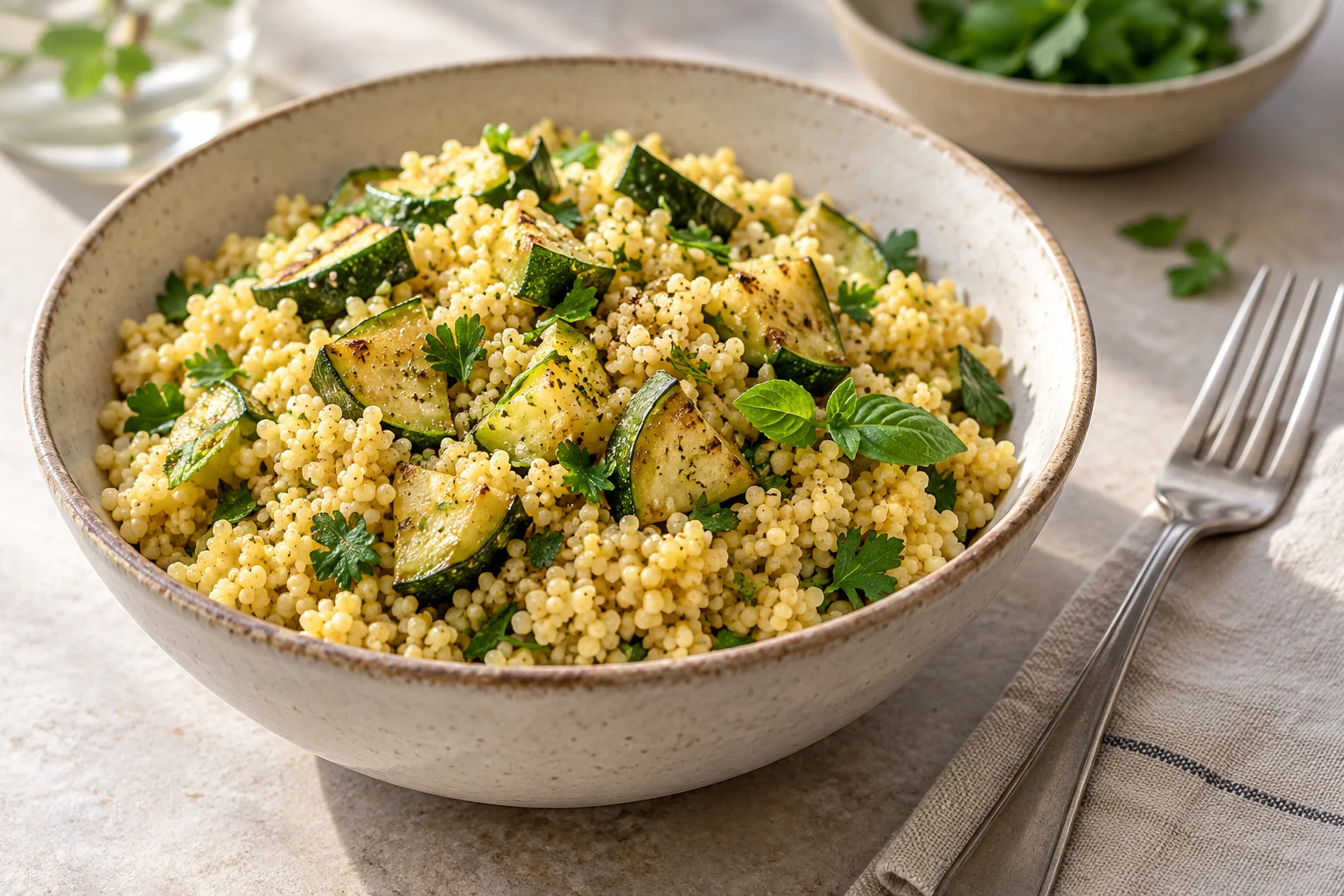
Read whether a recipe measures millet before or after cooking. “Cooked millet” is a prepared ingredient, not another way of writing “dry millet.” If a recipe author specifies a cooked quantity, follow the preparation information associated with that recipe. Do not replace it with the same measured amount of dry grains or flour and expect the rest of the formula to remain meaningful.
For a trial, record the product name, the form used and the measurement basis. If the recipe gives a weight, use that weight rather than inventing a conversion from another ingredient. These notes need not be elaborate. A few clear words beside the recipe can prevent confusion when you return to the bag a week later or share the dish with another cook.
7. Use the package to settle preparation details
Preparation steps can differ with the selected product and the dish. Check any sorting, rinsing, cooking or storage instructions on the package. Do not assume that a method for an intact grain applies to flour, or that every flour described as millet has the same particle size. If directions are missing or unclear, ask the manufacturer rather than relying on an unrelated recipe’s photograph.
When comparing millet flour vs whole millet for a recurring meal, keep the package or a clear photograph of its directions with your recipe notes. Record which instructions you actually followed. This is especially helpful when changing brands: a different product description may explain a different result more usefully than a general claim that millet is always fluffy, always creamy or always difficult to cook.
8. Treat ordinary flour as an ingredient that needs cooking
The FDA’s Handling Flour Safely guidance explains that flour is usually raw and milling does not remove harmful bacteria. Do not taste raw flour, dough or batter. Follow the specified cooking directions, keep raw flour away from ready-to-eat food, and clean hands, utensils and work surfaces after handling it. The FDA also advises against trying to make flour safe to eat raw through home heat treatment. A fine texture or pleasant smell does not establish readiness to eat.
In practical terms, select a complete cooking or baking method before opening the flour. Set out the recipe, equipment and clean work area first, and keep the bag identifiable while you work. This tip concerns ordinary flour handling; it does not establish a special safety property for the millet shown in our illustrations or for any particular product on the market.
9. Buy for the next realistic project
Choose a quantity that fits a dish you actually intend to make. A large bag is not automatically better value when the ingredient form is unfamiliar or the recipe has not yet been selected. Check the package’s storage instructions and date information, retain the original identity, and use clean, dry utensils when portioning. Ask the seller about an unclear label before committing to a larger purchase.
A helpful millet flour vs whole millet shopping sequence is: choose the dish, identify the required form, read the label, then compare suitable products. Leave price comparisons until you know that the packages serve the same purpose. This guide does not publish a universal shelf life, storage temperature or current retail offer. Product-specific information and the conditions in your own kitchen matter.
Millet flour vs whole millet: choose by the dish you want
For a savoury grain bowl, the desired feature is usually the visible cooked grain. Start with a food-grade intact product. For a grain-based breakfast porridge, begin with a recipe that names that form and the desired consistency. A recipe using millet flour to make a different style of porridge is another valid project, but it has its own method rather than borrowing the grain-bowl instructions.
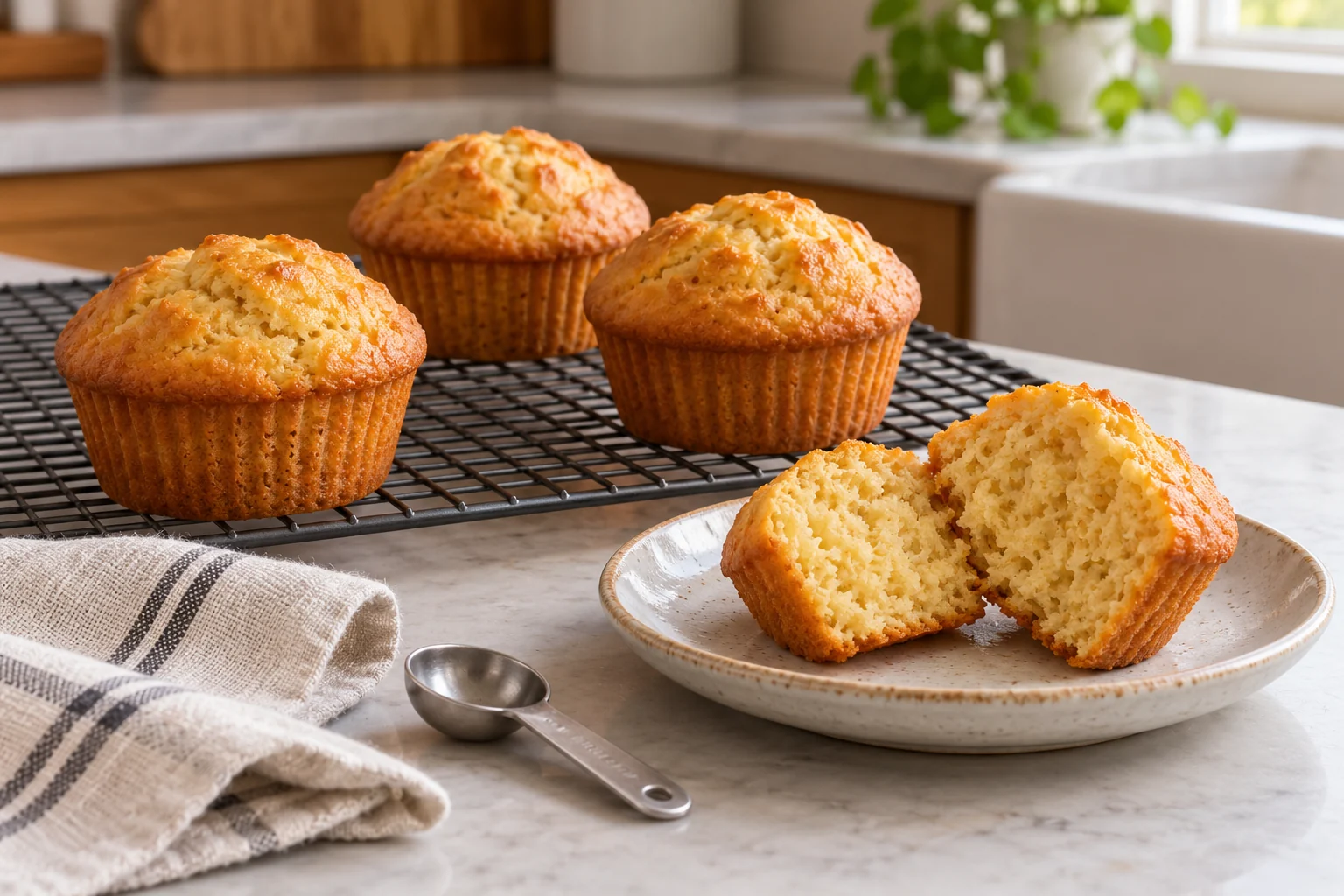
For muffins, pancakes or a baked loaf, read the recipe’s actual flour list. It may call for millet flour alongside other ingredients, or use cooked millet as an addition. Follow that distinction all the way through the method. Our recipe and kitchen ideas page can help you choose a project, but a serving suggestion is not a tested substitution chart.
For a mixed-grain product, read every ingredient and the preparation directions. A blend containing millet is not equivalent to a single-ingredient bag, and a congee kit is not automatically a millet-flour product. The millet flour vs whole millet question may therefore need a third answer: the item in front of you is a blend or prepared format and should be used according to its own description.
Plan a first trial that answers a useful question
Choose one modest project and one question. For intact grains, your question might be whether you enjoy their texture in a savoury bowl. For flour, it might be whether a particular recipe suits your breakfast routine. These are different trials with different outcomes; neither needs to become a competition between every possible use of millet.
Write down the product, recipe source, stated quantity and the steps you followed. After preparation, note the texture and whether you would repeat the dish. A preference such as “I want a softer grain bowl” is more actionable than “millet failed.” For baking, note any deviation from the recipe before blaming the flour. Keep observations about flavour or crumb separate from claims about product quality or food safety.
If you repeat the project, change one relevant choice at a time while following an appropriate recipe. Use your notes to decide whether to keep the same product, find a different recipe or choose the other ingredient form for a different meal. This is a personal kitchen comparison, not controlled testing. We have not carried out a side-by-side cooking trial for this article.
Troubleshoot the choice before changing the recipe
If you expected separate grains but bought flour, the first issue is format. Select a flour recipe instead of trying to manufacture grain texture in the saucepan. If a baking recipe expected flour but you added intact millet, return to the specified ingredient list. Additional stirring or extra liquid cannot undo every change caused by choosing a different ingredient.
If the correct form still gives an unexpected result, check the product description, dry-versus-cooked quantity, recipe method and any substitutions. For millet flour vs whole millet, this short review is usually more useful than a universal rescue tip. A coarse meal, fine flour, cooked grain and dry grain should not be grouped together simply because the same plant name appears on their packages.
Frequently asked questions about millet flour vs whole millet
Is millet flour simply the same ingredient in a smaller shape?
It is a milled form, and that physical change matters in recipes. It cannot provide the same intact-grain texture as cooked millet. Check the product’s processing description too: the flour name alone does not tell you everything about particle size, composition or the method it suits.
Can I replace whole millet with millet flour in porridge?
Use a porridge recipe developed for the form you have. Grain-based and flour-based preparations can have different methods and textures. Keeping the same liquid quantity and cooking instructions while swapping the ingredient is not a dependable conversion. Choose the recipe before deciding how much to use.
Can a millet flour be whole grain?
Yes, a milled ingredient can be whole grain when the required kernel components are retained in their original proportions. Confirm the selected product’s description rather than assuming every millet flour meets that definition. Here, intact format and whole-grain composition are separate questions.
Which form should I buy for a bowl with vegetables?
If you want recognisable cooked grains, choose food-grade intact millet and follow its preparation directions. Decide the desired texture through a suitable grain-bowl recipe. Flour is better considered for a recipe that specifically calls for a milled ingredient, rather than as a replacement for the bowl’s grain base.
Can I grind the millet already in my cupboard?
First check that the grain is intended for human food and that your appliance is designed for the task. The resulting grind may not match a recipe’s specified flour. Follow the equipment instructions and choose an appropriate recipe; this article provides no home-milling specification or guaranteed conversion yield.
Is millet flour ready to eat because it is finely ground?
No. Fine milling does not make ordinary flour ready to eat. Follow the product’s cooking directions and the FDA guidance linked above. Do not taste raw flour or uncooked dough and batter, and do not use a home heat treatment as a safety guarantee.
Does this guide mean MAIBAHE currently sells millet flour?
No current millet-flour listing or offer is established here. Check the actual product page and confirm the required form with the seller. A catalogue entry for millet grains, a mixed congee product or a general sourcing page does not establish a flour SKU, stock position, price or delivery commitment.
Shop with a clear ingredient description
Use the MAIBAHE shop’s current product descriptions to see the listed pantry formats, then confirm ingredients and preparation information for the item you are considering. The shop is not presented here as a millet-flour listing. For a larger project, the wholesale enquiry page provides a route to ask about a specific ingredient form and intended use.
For origin and sourcing context, the UK site’s yellow and black millet sourcing page describes catalogue grain presentations, not a current flour specification. Its product document review information helps frame questions about the selected item. Ask for the actual product description, ingredients and relevant current documents; do not transfer a claim from another product or historical catalogue.
Sources and scope
This millet flour vs whole millet guide was prepared on 23 October 2026. The linked Whole Grains Council pages support grain identity, the whole-grain definition and broad culinary context; the FDA document supports the flour-handling advice. The comparison, shopping sequence and trial notes are editorial guidance, not a tested recipe, nutrient comparison or product certification. Both MAIBAHE sites were checked for relevant existing articles and current linked pages. Illustrations are AI-generated concepts with no claimed connection to an actual product batch.