MAIBAHE GRAIN JOURNAL
Oatmeal vs Multigrain Porridge: Texture & Cooking
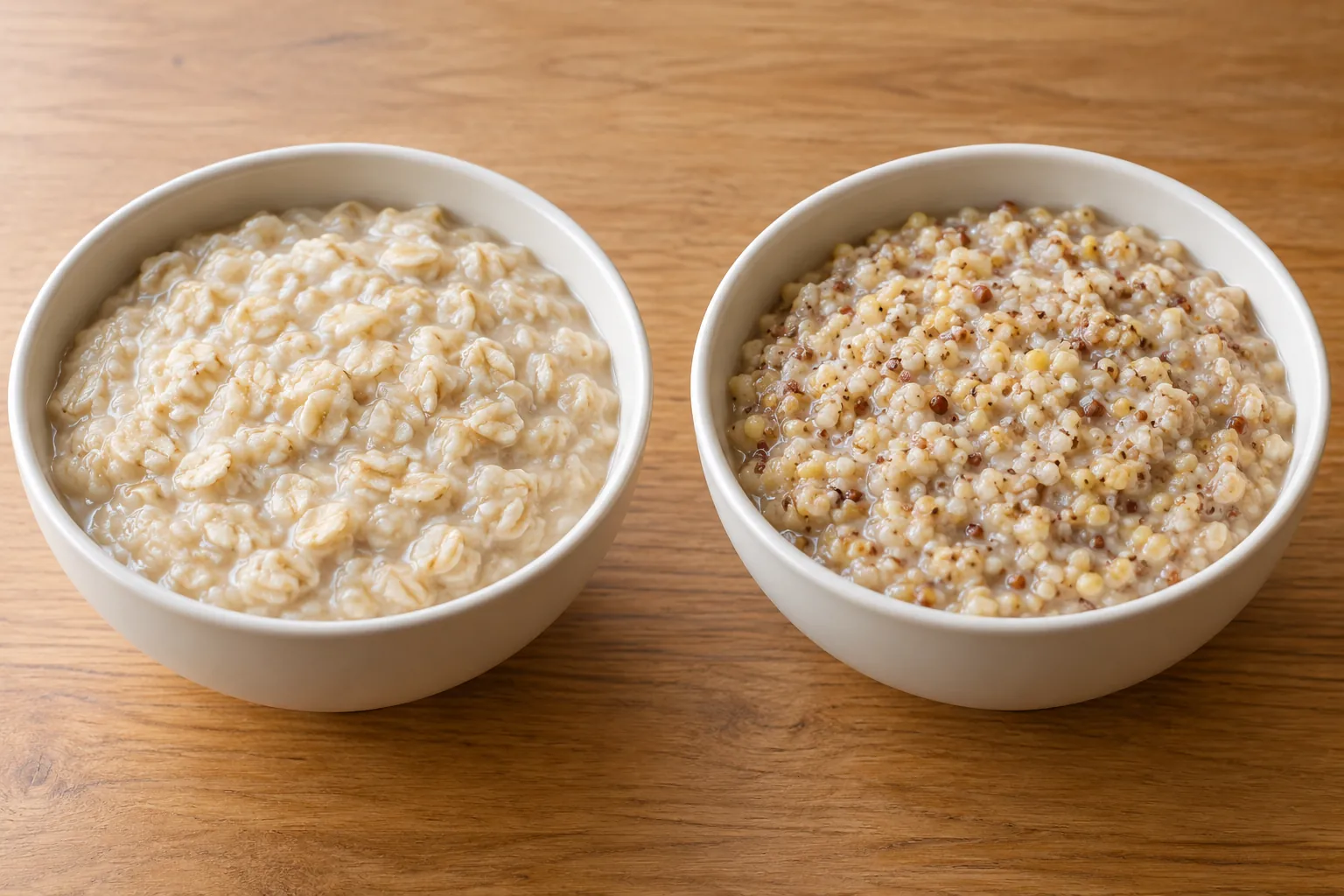
When comparing oatmeal vs multigrain porridge, start with the ingredients, grain form and preparation instructions. Oatmeal is centred on oats, while a mixed-grain porridge combines ingredients whose formula can vary. Either can be creamy, textured, sweet or savoury. Choose the bowl that fits your preferred texture and cooking routine, rather than assuming one name guarantees a healthier or quicker meal.
This guide compares oatmeal vs multigrain porridge for everyday meal planning. It helps you read labels, think about mouthfeel, choose a preparation method and plan toppings. It does not assign nutrition values to an unidentified blend or treat five-grain as a standard recipe. For MAIBAHE products, the current packaging is the reference for the actual ingredients and directions.
Oatmeal vs multigrain porridge: a practical comparison
| Question | Oatmeal | Multigrain porridge |
|---|---|---|
| What is the base? | Oats, with the complete recipe depending on the product | A mixture identified by its ingredient list |
| What sets the texture? | Oat form, cooking and liquid | Each ingredient’s form, the blend and cooking |
| Is cooking time fixed? | No; different oat products have different directions | No; the full mixture and processing matter |
| Can it be sweet or savoury? | Yes, according to ingredients and toppings | Yes, according to the blend and toppings |
| Does the name establish dietary suitability? | No; check the complete label | No; check every ingredient and allergen statement |
| Where should I start? | The product’s oat form and instructions | The full blend’s instructions and ingredient list |
The comparison is deliberately about decisions you can verify. It does not award a winner based on grain count. A simple oat bowl can fit one morning well; a mixed bowl can fit another. You may enjoy both, and the practical difference may come from how each product is processed rather than from the front name alone.
Read the ingredients before comparing the bowls
Begin at the back of the pouch. Is the oat product plain, flavoured or combined with other ingredients? Does the mixed-grain product name every component clearly? Are any additions packed separately? These questions establish what you are choosing more accurately than colour, a marketing phrase or a serving photograph.
For oats, distinguish flakes, cut pieces and whole groats. The Whole Grains Council’s oat-type guide explains these forms. In the kitchen, that distinction helps you avoid applying a flake-based method to larger pieces. Our oatmeal cooking guide follows the same label-first approach.
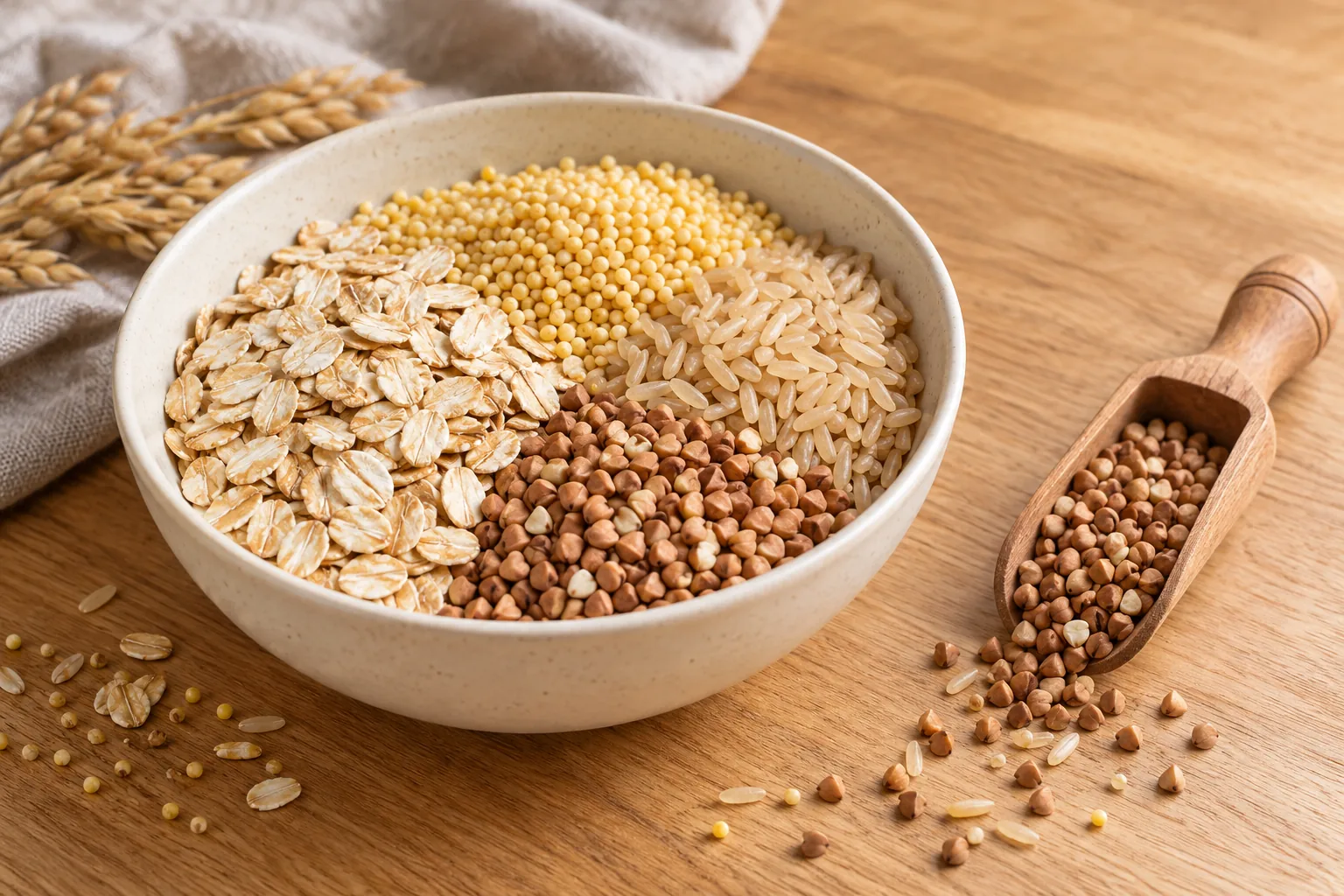
For a five-grain product, do not supply five ingredients from memory. The product may use a different combination from a bowl you have eaten before. It may also be a blend designed to cook together rather than a simple mixture of loose pantry grains. Read the supplied preparation instructions before drawing conclusions about soaking, water or timing.
Check dietary suitability for the complete meal. The grain name alone does not establish a gluten-free or allergen-free claim, and toppings can introduce additional ingredients. If you need a product to meet a particular dietary requirement, look for the relevant verified label information instead of treating a general comparison article as certification.
Oatmeal vs multigrain porridge: what changes the texture?
Imagine texture as several separate choices: how soft the individual pieces are, how much liquid surrounds them, and how distinct the grains remain. A creamy mixture can still contain pieces with a bite. A fluid bowl can contain fully tender grains. Thinking about these separately makes it easier to describe what you enjoy and to adjust cooking without confusing thickness with doneness.
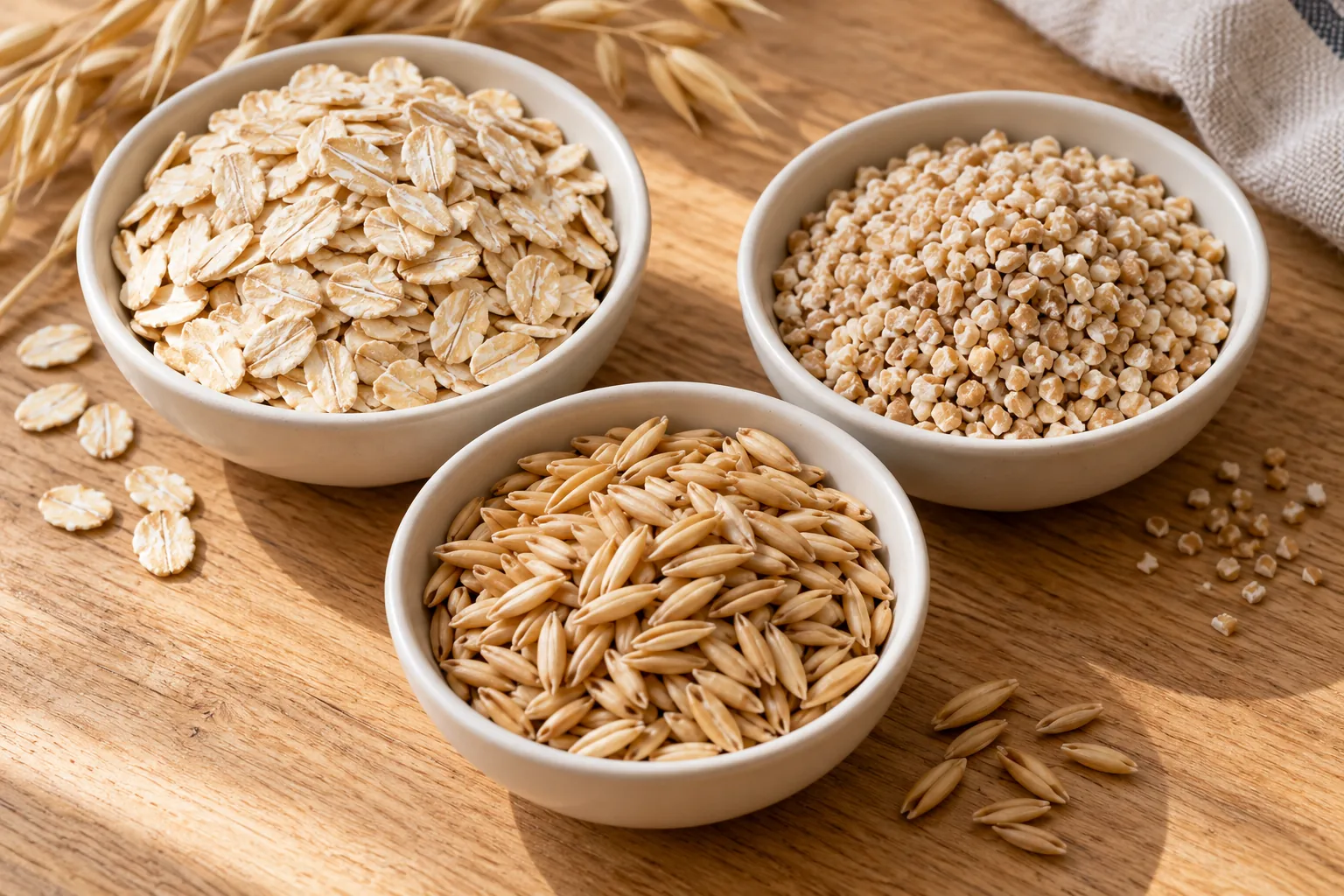
Oat form is a useful starting point for predicting preparation, but it should not be treated as a promise of one final mouthfeel. Liquid, heat and the finish also matter. Likewise, multigrain porridge may have more visibly distinct pieces, but the result depends on the actual mixture and whether its ingredients are whole, cut, rolled or otherwise prepared.
Decide whether you want a more uniform base or recognisable grain pieces. Then check whether the product’s intended method supports that preference. Do not force the bowl to match an image by reducing it aggressively or stopping early. The appearance in an illustrative photograph is a serving idea, not a readiness test.
Match oatmeal or multigrain porridge to your cooking routine
Think about the time you can actively spend, the equipment you own and the label’s preparation sequence. A product described as quick-cooking can fit a different routine from intact grains, but neither oatmeal nor multigrain automatically means fast. Check the exact pouch rather than selecting on a category name and discovering the method later.
A saucepan can be useful when you want to observe the texture and make small adjustments. An appliance can be convenient when both the product and model support the method. Verify the programme and porridge capacity before using it. A rice-cooker cup and a kitchen cup may not be interchangeable within a manufacturer’s instructions.
Batch size also affects your routine. A large pot gives you several portions, but it takes more planning to handle leftovers properly. A small first batch helps you learn a product’s behaviour and your preferred finish. Avoid making a full week of an unfamiliar blend before you know whether you enjoy its texture.
The Whole Grains Council’s grain-cooking guidance recognises variation in cooking time and cookware. That supports a practical principle in the oatmeal vs multigrain porridge comparison: use time as a checkpoint, then assess the actual ingredients instead of assuming identical outcomes.
5 simple decisions for choosing your next porridge
1. Choose the texture you want today
If you want a relatively smooth base, look at the product’s grain form and intended finish. If you want distinct pieces, check whether the ingredients and directions support that. Neither preference is a nutritional ranking. Choose the bowl that makes sense for the meal you plan to eat.
2. Check the actual preparation commitment
Read the complete cooking sequence, including any soaking or separate additions. Decide whether it fits the equipment and time available. A few extra preparation steps may be welcome on a relaxed day and inconvenient on a busy morning. Make the decision before opening the pouch.
3. Keep the ingredient profile clear
Consider what is already in the blend before planning toppings. An ingredient that adds sweetness or a particular flavour can change which additions you want. Check allergens and any dietary requirements against the complete label. If a detail is unclear, ask rather than interpreting the front image as an ingredient declaration.
4. Plan the portion around the meal
A small grain bowl with several side dishes and a bowl served as the main meal are different occasions. Start with the product’s dry serving information where supplied, then choose an appropriate meal format. Do not compare the volume of two finished bowls without accounting for liquid and toppings.
5. Leave room to change your finish
A simple base with separate toppings can suit several preferences. You can keep one bowl gently sweet and another savoury without modifying the entire pan. Start with a light finish, taste and add more as needed. This is often easier than cooking a strongly flavoured batch and trying to reverse it later.
Toppings, portions and a more useful comparison
Comparing two products is easier when you keep the conditions clear. Use the same kind of meal occasion and note the dry quantity, liquid and toppings. A bowl with fruit, nuts and milk cannot be compared fairly with a plain water-cooked bowl simply by looking at its size. If you compare nutrition panels, use equivalent serving bases and account for what you add.
This article does not calculate nutrition for either MAIBAHE product because that requires the real product panels and quantities. More grain names do not, on their own, prove a better nutritional result. A useful product comparison states what is known and what the labels must establish, rather than filling gaps with general health language.
For serving inspiration, consider fruit and a little spice, or separately cooked vegetables and herbs. Choose ingredients you enjoy and can use safely. Check the labels of sauces, milk alternatives and toppings, since they can change the final meal’s ingredients and allergen profile.
If you prepare extra portions, follow USDA leftover guidance: refrigerate within two hours, or one hour above 90°F, divide into shallow containers, use refrigerated leftovers within three to four days, and reheat to 165°F. Follow more specific instructions where supplied.
Questions about oatmeal vs multigrain porridge
Is multigrain porridge always healthier than oatmeal?
The category name does not establish that. Compare the actual ingredients, nutrition panels, serving quantities and additions. This guide compares preparation and use, not medical outcomes or an unverified nutritional winner.
Which one cooks faster?
Check the exact products. Oat form, grain mixture and processing affect the method. Quick-cooking oats and whole oat groats should not be treated as one timing category, and the same caution applies to mixed-grain blends.
Does five-grain mean the same recipe every time?
No fixed formula is established by the name alone. Read the full ingredient list and preparation panel for the product you are choosing.
Can both be savoury?
Yes, when the base ingredients and your chosen toppings suit that finish. Taste the cooked base and check whether the product already contains ingredients that influence its flavour.
Can I use the same water ratio for both?
Do not assume so. Follow each product’s directions, check tenderness and adjust the finished texture gradually. See our multigrain porridge cooking guide for the blend-specific approach.
Where can I check the current MAIBAHE range?
Visit the MAIBAHE pantry selection, read the current labels, and use the contact page for product questions. Review shipping and returns before ordering.
Choose the bowl that fits your table
The most useful oatmeal vs multigrain porridge comparison begins with facts you can check: ingredients, form, directions and portions. Match those details to your preferred texture and routine, then keep the finish flexible. Explore the MAIBAHE Grain Journal and serving ideas for another way to enjoy your pantry.